
Quick Answer:
Skinny Rx is a telehealth GLP‑1 program that offers compounded semaglutide and tirzepatide in multiple formats (injectable, sublingual, and tablet) with subscription pricing that starts around $199 per month and typically lands in the $199–$299+ range depending on dose and formulation. From what I’ve seen and what thousands of Trustpilot reviews say, it’s a legit, convenient way to access GLP‑1 medications online at a lower cash price than many brand‑name options, as long as you’re comfortable with compounded meds and remote care.
The Process:
- Most members who stick with the plan and incorporate lifestyle changes can expect meaningful weight loss over 6–12+ months. Of course, results vary by individual and there are some common (but minimal) side effects that can arise.
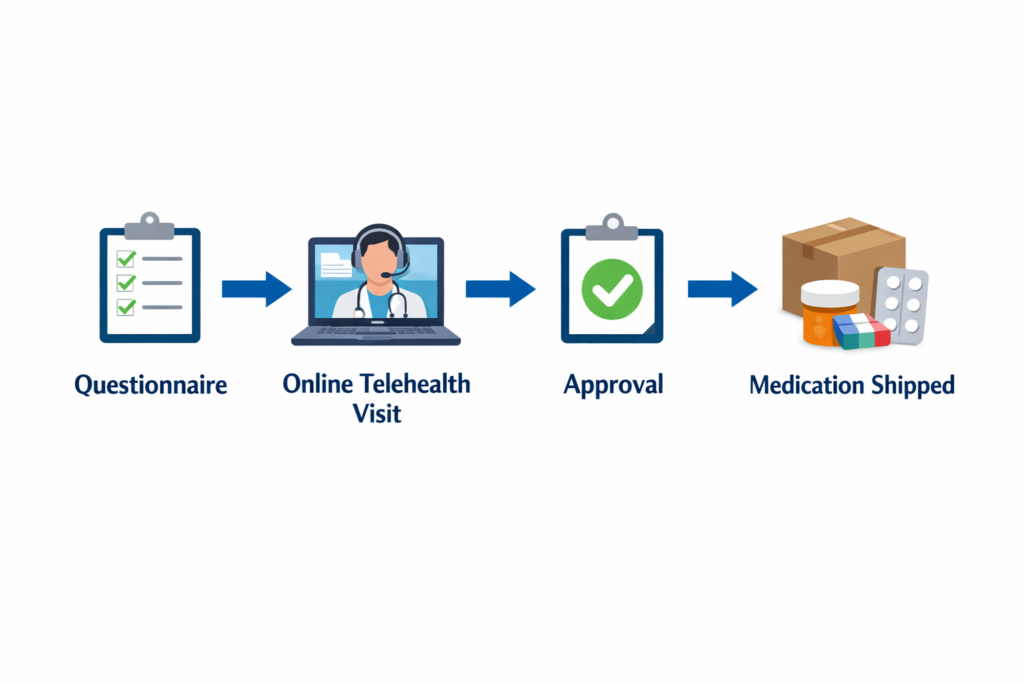
- You complete an online intake and telehealth visit.
- If approved, a partner compounding pharmacy ships your medication to your door.
What We’ll Cover in This Guide
- Is Skinny Rx legit? My honest take
- How Skinny Rx works (step-by-step)
- Medications and formats Skinny Rx offers
- Skinny Rx pricing and what’s included
- Who Skinny Rx is best (and not best) for
- Realistic weight‑loss results and timelines
- How Skinny Rx compares to other GLP‑1 programs
- Safety and Side Effects
- How to decide if Skinny Rx is right for you
- Key Takeaways
- Your Next Steps
- Final Thoughts
Is Skinny Rx Legit? (My Take So Far)
From everything I’ve dug into, (which has been a lot!), Skinny Rx looks like the real deal and not a sketchy pop‑up supplement site. It’s run by LeanRx Inc. out of Sacramento and focuses specifically on prescription GLP‑1 and GIP/GLP‑1 medications for weight loss through licensed clinicians and partner compounding pharmacies.
What really stood out to me was the review pattern. Skinny Rx has thousands of reviews on Trustpilot with an overall “Excellent” rating around 4.8/5, and a lot of people are genuinely thrilled with both their weight loss and the responsiveness of the support team. As usual, some negatives are there too, mostly around confusion about pricing, billing, or refund policies, but they’re a small slice compared to the number of happy customers, which gives me more confidence that this is a serious operation and not just hype.
How Skinny Rx Works (Step-by-Step)
Step 1: Online intake
- You fill out an online questionnaire about your weight history, medical conditions, medications, and goals.
- This helps the provider decide if semaglutide or tirzepatide is appropriate and safe based on standard GLP‑1 criteria (BMI, health conditions, etc.).
Step 2: Telehealth visit
- You meet with a licensed clinician via telehealth to review your history, ask questions, and go over risks and benefits.
- This is where they’ll talk through medication choice (semaglutide vs tirzepatide), format (shot vs tablet vs sublingual), and starting dose.
Step 3: Prescription and compounding
- If you’re approved, your prescription goes to a partner compounding pharmacy that prepares your specific GLP‑1 or GIP/GLP‑1 formulation.
- Compounded meds are made in licensed facilities but are not themselves FDA‑approved products, so you need to be comfortable with that trade‑off.
Step 4: Medication shipped + follow‑up
- Your medication is shipped directly to your home (with injection supplies if needed).
- You can message the team and adjust doses over time; many Trustpilot reviews highlight quick replies and helpful support when people run into side effects or dosing questions.
What Medications and Formats Skinny Rx Offers
Compounded Semaglutide
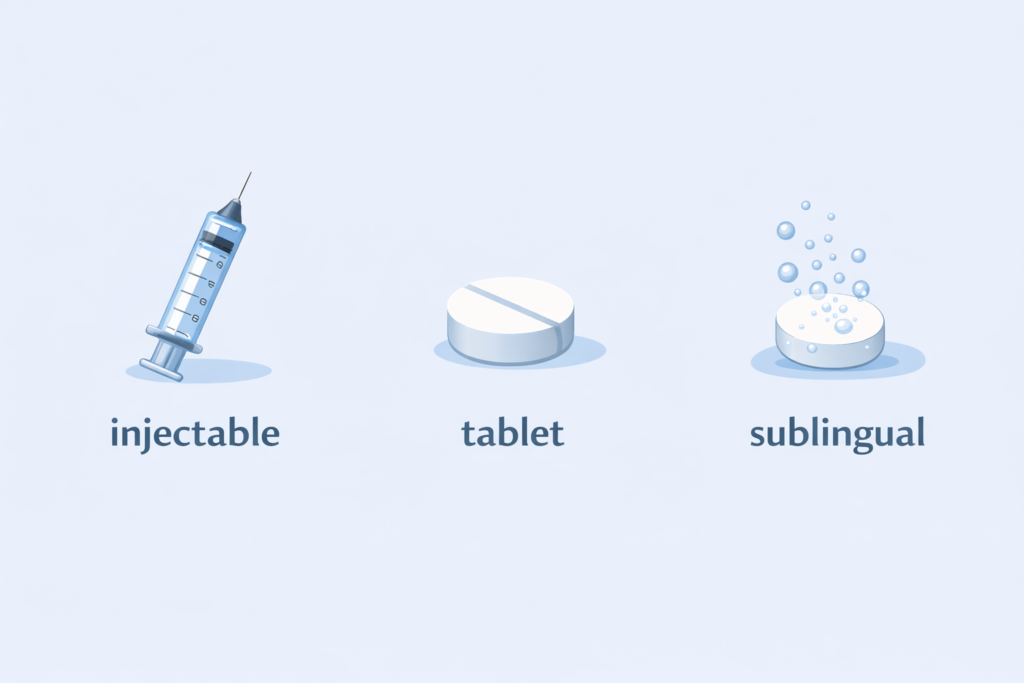
- Injectable semaglutide (weekly): The classic GLP‑1 shot format that has the strongest clinical evidence behind it.
- Sublingual semaglutide (daily): Dissolves under the tongue or in the cheek, for people who hate needles.
- Buccal/“tablet” semaglutide (daily): A dissolving tablet that sits between the gum and cheek, another non‑needle option.
Compounded Tirzepatide
- Injectable tirzepatide (weekly): A dual GIP/GLP‑1, similar to Zepbound® or Mounjaro®, that in trials has shown slightly higher average weight loss than semaglutide.
- Tirzepatide tablets: a tablet format for people who want tirzepatide but prefer not to inject.
Personally, I really like that Skinny Rx doesn’t force everyone into a single format. For some people, a weekly injection is perfect; for others, the idea of needles is enough to stop them from ever starting, so having sublingual or tablet options is a big plus.
Skinny Rx Pricing: What You Actually Pay
Skinny Rx leans hard into transparent subscription pricing, which I appreciate as someone who hates “call for price” style websites. Based on company statements and independent coverage:
- Compounded injectable semaglutide: starts at about $199/month.
- Compounded sublingual semaglutide: starts at about $199/month.
- Compounded semaglutide tablets: start around $249/month.
- Compounded tirzepatide (injectable and tablet): typically start at about $299/month.
Those prices usually include:
- Telehealth consults with a licensed provider
- The compounded medication at your current dose
- Shipping and injection supplies when relevant
- Messaging/access to the clinical team during your treatment
A few reviews do mention confusion or frustration when they felt they were charged more than expected or misunderstood the total commitment, so I’d advise reading the pricing page carefully and asking the provider to spell out exact charges and refund policies before you pay.
Who Skinny Rx Is Best (and Not Best) For
Good fit
From my perspective, Skinny Rx makes the most sense if:
- You’ve been blocked by insurance or prior auth for brand‑name GLP‑1s and are ready to pay cash for a more predictable monthly price.
- You’re comfortable using compounded medications from licensed pharmacies, knowing they’re based on the same active ingredients but not individually FDA‑approved products.
- You want a mix of convenience and actual medical oversight, not just a quick script with no follow‑up.
- You’re willing to make changes to how you eat, move, and sleep instead of expecting the shot or tablet to do everything.
Probably not a fit
I’d be more cautious or look elsewhere if:
- You have a complex medical history (previous pancreatitis, severe heart issues, serious GI disease) that really needs an in‑person obesity specialist.
- You feel uneasy about compounded GLP‑1s and strongly prefer staying within the big‑brand, FDA‑labeled ecosystem through your local doctor.
- You need very intensive, weekly coaching and in‑person accountability; Skinny Rx seems to do well on access and responsiveness, but it’s still a telehealth model, not a full clinic visit every week.
Realistic Weight-Loss Results and Timelines
In general, GLP‑1 and GIP/GLP‑1 medications shine when you zoom out to 6–18 months, not just a few weeks.
From the big clinical trials on semaglutide and tirzepatide (and real‑world telehealth data):
- Semaglutide at higher doses has shown average weight loss of around 14–15% of body weight over about 68 weeks when combined with lifestyle changes.
- Tirzepatide has shown roughly 20–22% average loss over 72 weeks at higher doses in some studies, again alongside lifestyle support.
- Real‑world remote programs (similar to Skinny Rx) often see many members lose 10–20% of their starting weight over 12 months when they stay on‑plan.
Trustpilot reviews back this up: you see a lot of people talking about losing dozens of pounds and feeling like they finally have a tool that works with their efforts instead of against them. But you also see some people frustrated when weight loss slows or when side effects make it hard to stay on the medication, which is totally consistent with the medical data.
Skinny Rx vs Other GLP‑1 Options
[Insert image: comparison graphic with three columns: “Skinny Rx”, “Local clinic”, “Other telehealth”.]
Skinny Rx vs local in‑person clinics
- Pros: More convenient, often cheaper out‑of‑pocket than hospital‑based programs, no insurance battles for GLP‑1 approvals.
- Cons: Less hands‑on physical monitoring; lab work and physical exams might be done locally, not within the program.
Skinny Rx vs other telehealth GLP‑1 companies
- Skinny Rx really leans into its multi‑format medication options and transparent starting prices (from $199/month), which not every competitor offers.
- Skinny Rx also offer a “buy now pay later” option! Which can be very appealing for some!
- Some other programs package in more formal dietitian or therapy support, while others advertise super‑low introductory prices but charge extra for meds, labs, or follow‑ups.
Skinny Rx vs brand‑name Wegovy/Zepbound through insurance
- If your insurance is great and you can qualify, brand‑name GLP‑1s might end up cheaper with copays, but not everyone has that luxury.
- If you’re stuck paying full price for brand‑name Wegovy or Zepbound (often >$1,000/month), a compounded program like Skinny Rx at $199–$299+ per month is a very appealing option that will, in theory, provide the exact same results.
Safety and Side Effects
All GLP‑1 medications have real risks. I’d never tell anyone to sign up for something like this without talking through their medical history with a clinician. This can be done when you have your initial online visit with a licensed physician.
Common Side Effects
- Nausea, vomiting, diarrhea, constipation
- Bloating, reflux, abdominal pain
- Headache, fatigue, decreased appetite
These are usually highest when you first start or when the dose increases. Good programs will titrate slowly and give you tips to manage GI issues. Check out this article to learn more about GLP-1 Side Effects and managing them appropriately.
How I’d Decide If Skinny Rx Is Right for You

Here’s the simple mental checklist I’d use:
- Budget: Can you afford $199–$299+ per month for at least 6–18 months if needed, and does that beat your local or insurance‑based options?
- Health history: Do you have any serious red flags (past pancreatitis, severe GI disease, certain cancers) that make an in‑person specialist a safer starting point?
- Comfort with compounding: Are you okay with a compounded medication model, knowing it’s widely used but not the same as a branded, FDA‑approved finished drug?
- Support needs: Will telehealth + messaging be enough, or do you need in‑person hand‑holding and weekly weigh‑ins?
My personal read: if you’re reasonably healthy, tired of insurance roadblocks, and willing to make lifestyle changes, Skinny Rx looks like one of the stronger, more legitimate GLP‑1 telehealth options out there right now. Just make sure you go in with clear expectations about cost, duration, and the fact that the medication is only part of the story.
Ready to see if Skinny Rx is a fit?
Key Takeaways
- Skinny Rx is a telehealth GLP‑1 program offering compounded semaglutide and tirzepatide in injectable, sublingual, and tablet forms, with transparent pricing that starts at about $199/month.
- Trustpilot shows thousands of mostly positive reviews, highlighting strong customer support and meaningful weight‑loss results for many members, alongside a smaller number of complaints around billing and communication.
- GLP‑1 and GIP/GLP‑1 medications can deliver 10–20%+ average weight loss over 12–18 months when paired with lifestyle changes, but they also come with real side effects and safety considerations that require medical oversight.
- Skinny Rx makes the most sense if you’re comfortable with compounded meds, want remote access, and are ready to treat this as a long‑term health plan—not a quick fix.
Your Next Steps
Check out some of our other related articles:
- Alternate GLP-1 provider reviews: Enhance.MD, DirectMeds, Medvi, and Eden
- What Do I Need to Know About GLP‑1 Weight Loss? 15 Most Asked Questions
- GLP-1 Side Effects: What’s Normal, What’s Manageable, and When to Worry [2026]
Final Thoughts
After digging into everything Skinny Rx has to offer, I think it genuinely earns its place as one of the more credible low-cost GLP-1 telehealth programs available right now. The combination of multiple medication formats (injectable, sublingual, and tablet), transparent starting prices, and a strong Trustpilot track record makes it stand out from the more sketchy corners of this industry. It’s not perfect as some people run into billing confusion and you should go in with eyes open about the compounded medication trade-offs. But for the majority of people who are priced out of brand-name GLP-1s and want a legitimate, medically supervised path forward, Skinny Rx looks like a solid option worth seriously considering.
Medical Disclaimer
This article is for informational purposes only and does not constitute medical advice, diagnosis, or treatment. Always speak with a licensed healthcare provider about your specific medical situation before starting, changing, or stopping any medication, including GLP‑1 and GIP/GLP‑1 therapies. Never ignore or delay professional medical advice because of something you read online.
Sources
- Company and media information about Skinny Rx’s GLP‑1 program, formats, and pricing ranges.
- Clinical and real‑world data on semaglutide and tirzepatide for weight loss and long‑term outcomes.
- Safety and regulatory guidance on GLP‑1 medications and compounded formulations.
- Consumer review data and sentiment trends for Skinny Rx.
Affiliate Disclaimer
Affiliate disclosure: This article may contain affiliate links. If you click on a link and end up purchasing a GLP‑1 program or medication, we may earn a commission at no extra cost to you. This helps us keep researching and updating honest guides about GLP‑1 options.
Last updated: June 2026