
Find a GLP‑1 Weight Loss Plan That Fits Your Body, Budget, and Lifestyle

GLP‑1 medications have changed what’s possible for weight loss, but brand‑name options like Ozempic and Wegovy can be expensive, hard to access, or on backorder. Our guides walk you through both brand‑name and compounded GLP‑1 options, how they work, who they’re right for, and how to get started safely with an online provider.
Essential GLP‑1 Guides: What to Know First
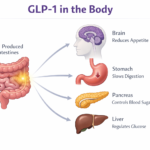
Discover how GLP-1 medications like semaglutide and tirzepatide actually work in your body, the realistic timeline for weight loss, and what to expect at each stage of your journey in 2026
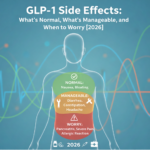
Learn which GLP-1 side effects are normal, which are manageable, and the rare warning signs to watch for so you can use medications like Ozempic, Wegovy, Mounjaro, and Zepbound with confidence in 2026.
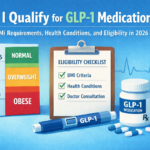
Quickly find out if you qualify for GLP-1 medications in 2026, with clear BMI cutoffs, qualifying and disqualifying health conditions, and step‑by‑step guidance for insurance and telehealth options.

New to GLP‑1 weight loss? Get clear, plain‑language answers to the 15 most common questions about how these medications work, expected results, side effects, costs, and whether they are a good fit for you.

Learn exactly what to eat on GLP‑1 medications like Wegovy, Ozempic, Mounjaro, and Zepbound, with a simple high‑protein meal plan, nausea‑friendly foods, and tips to protect your muscle while you lose weight.

See real‑world GLP‑1 medication reviews with honest user experiences, typical weight‑loss results, side effects, costs, and what people actually say about life on semaglutide and tirzepatide in 2026 before you decide.

Your Guide to GLP‑1 Options: Brand‑Name Prescriptions, Online Compounded Programs & Insights
GLP‑1 medications can come from local clinics, brand‑name prescriptions, or lower‑cost compounded programs you can access entirely online. At The GLP‑1 Guide, we break down how GLP‑1s work, what side effects to expect, and how today’s leading online providers offer compounded semaglutide and tirzepatide so you can compare costs, safety, and real‑world results in one place.
Noteable Telehealth Providers
We dive deep and review GLP‑1 programs to provide you with honest insights to what each program has to offer. We break down the pro's, con's and real user experiences to help you choice the best provider for you.



Enhance.MD
Premium medical care for metabolic wellness and weight management.

Yucca
Treatment designed around you.
DirectMeds
Lose 1-2 pounds per week.
The GLP-1 Guide Videos
We create educational YouTube content designed to simplify GLP-1 medications and help you make informed decisions with confidence. Our videos break down how these treatments work, what to expect, and how to use them safely, so you can feel supported every step of your journey. By combining clear guidance with real insights, we aim to build trust and empower you to take control of your health.
Recent Articles




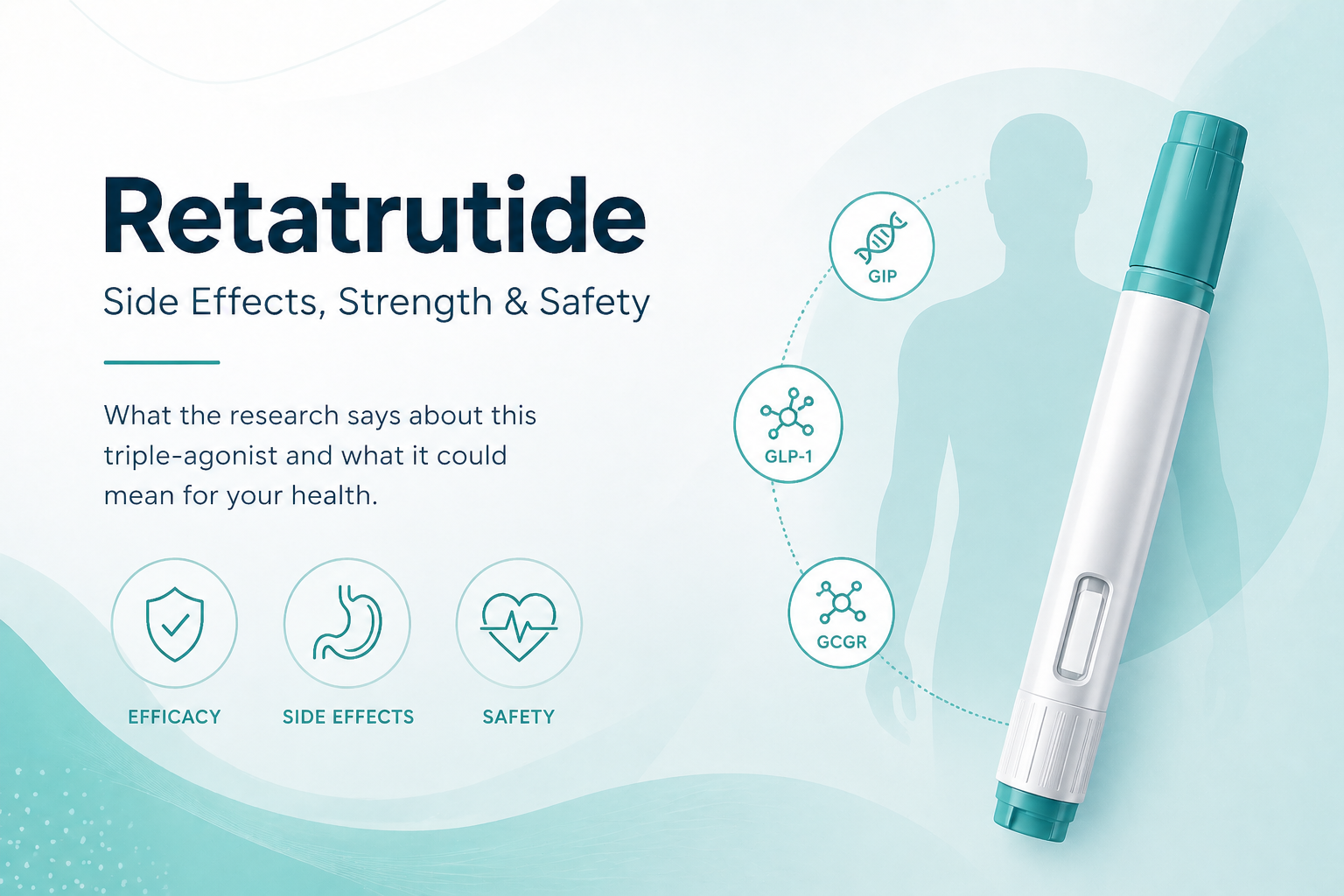
Retatrutide Side Effects: Is The Triple-Agonist GLP-1 Really Strong and Is It Safe?

Frequently Asked Questions
GLP‑1 medications are prescription drugs that mimic a natural hormone (glucagon‑like peptide‑1) your body releases after you eat. They help regulate blood sugar, slow how quickly food leaves your stomach, and signal your brain that you feel full, which can reduce appetite and overall food intake when combined with lifestyle changes.
Most GLP‑1 and related medications are intended for adults with obesity (typically a BMI of 30 or higher) or adults with overweight (BMI of 27 or higher) who also have a weight‑related condition such as type 2 diabetes, high blood pressure, high cholesterol, sleep apnea, or fatty liver disease. They are not meant for short‑term or purely cosmetic weight loss, but for managing obesity as a long‑term, chronic medical condition under the guidance of a licensed provider.
The most common side effects are gastrointestinal and usually mild to moderate: nausea, decreased appetite, constipation, diarrhea, vomiting, or stomach discomfort, especially when doses increase. Many people find these symptoms improve over time as the body adjusts, and providers often start at a low dose and increase slowly (“low and slow” titration) to help reduce side effects.