

Quick Answer:
GLP‑1 medications like semaglutide and tirzepatide help with weight loss by slowing stomach emptying, reducing appetite, and improving how your body handles blood sugar. They can lead to 10–20 percent body‑weight loss over 12–18 months for many adults, but they also come with side effects, safety warnings, costs, and long‑term commitments that you need to understand before starting.
In this guide, I will walk through the 15 questions I get asked the most about GLP‑1 weight loss, in plain language, so you can decide if these medications make sense for you.
In This Guide
- 1. qWhat is a GLP‑1 medication and how does it work?
- Which GLP‑1 drugs are used for weight loss?
- How much weight can I realistically lose on GLP-1?
- How long does it take to see results with GLP-1?
- What are the most common side effects while taking GLP-1?
- What serious risks do I need to know about when taking GLP-1?
- Who is a good candidate for GLP‑1 weight loss?
- Who should avoid these medications?
- How much do GLP‑1 medications cost?
- What is the difference between brand‑name and compounded GLP‑1s?
- Can I regain weight if I stop taking GLP‑1s?
- Do I have to change my diet and exercise when taking GLP-1?
- How do telehealth GLP‑1 programs work?
- How do I choose between different GLP‑1 programs?
- What should I ask my doctor before starting GLP-1?
1. What Is a GLP‑1 Medication and How Does It Work
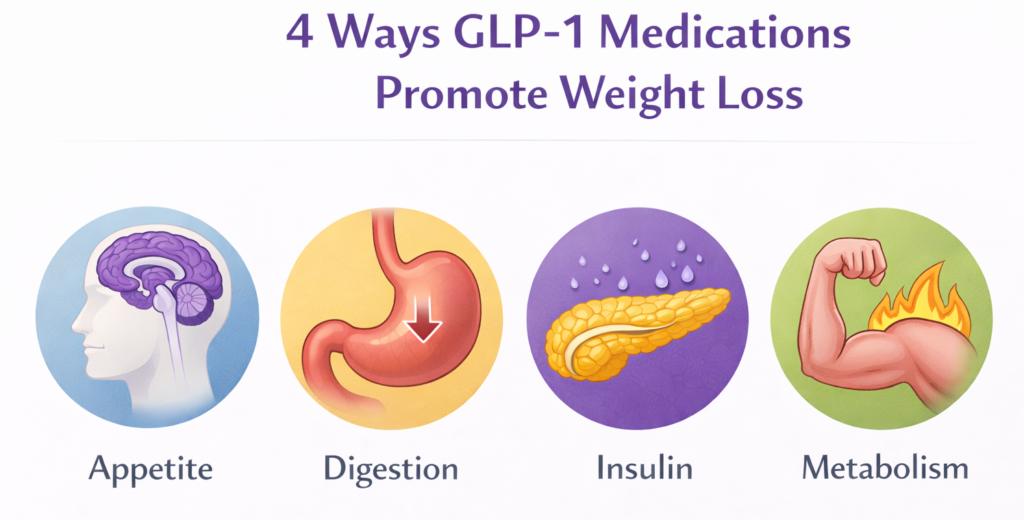
GLP‑1 stands for “glucagon‑like peptide‑1,” which is a hormone your body naturally makes in the gut after you eat. Medications in the GLP‑1 class copy or enhance this hormone, so you feel full sooner, your stomach empties more slowly, and your pancreas releases insulin more effectively when your blood sugar rises.
For weight loss, the big effects most people notice are reduced appetite, smaller portions, less snacking, and often fewer cravings for high‑sugar foods. Over time, this can create a steady calorie deficit without feeling like you are white‑knuckling through constant hunger.
2. Which GLP‑1 Drugs Are Used for Weight Loss
Several injectable and oral medications in this family are used for weight loss or obesity treatment in adults. The main ones you will hear about are:
- Semaglutide
- Liraglutide
- Tirzepatide
There are also compounded versions of semaglutide and tirzepatide, as well as oral GLP‑1 formulations, offered by some telehealth and compounding pharmacies, which I will touch on later.
3. How Much Weight Can I Realistically Lose
This is probably the number one question. Clinical trials give us helpful averages.
- In major semaglutide trials at obesity doses, people lost around 14–15 percent of their starting body weight over about 68 weeks when medication was paired with diet and exercise support.
- Tirzepatide studies have shown roughly 20–22 percent average weight loss over about 72 weeks at higher doses in many patients.
Real‑world results vary a lot. Telehealth and clinic programs that follow people for a year typically see many patients losing 10–20 percent of their body weight if they stay on medication and make lifestyle changes. Some lose more, some lose less, and a small number stop early due to side effects or lack of effect.
4. How Long Does It Take To See Results
Most people notice something in the first 4–8 weeks, but the biggest changes build over many months.
A typical pattern looks like:
- Weeks 1–4: Smaller appetite, less snacking, first few pounds of water and early fat loss.
- Months 2–3: Clothes start to feel looser, energy may improve as weight comes off.
- Months 6–12: The bulk of weight loss happens here if you stay on your dose and keep lifestyle changes going.
GLP‑1 therapy is not a two‑week magic trick. It is more like a year‑long project with steady progress for many people.
5. What Are the Most Common Side Effects
The side effects that show up most often are related to the digestive system.
Common ones include:
- Nausea
- Vomiting
- Diarrhea or constipation
- Bloating, gas, or stomach pain
- Decreased appetite, which is part of how it works but can feel uncomfortable at first
These are usually strongest when you first start or when your dose goes up. Good providers will “titrate” slowly, meaning they raise the dose step by step to give your body time to adjust.
To learn more about side effects and prevention or reduction of symptoms, read the following article:
GLP-1 Side Effects: What’s Normal, What’s Manageable, and When to Worry [2026]
6. What Serious Risks Do I Need To Know About Taking GLP-1
All GLP‑1 and GIP/GLP‑1 medications carry warnings and potential serious risks that need to be taken seriously. These include:
- Pancreatitis (inflammation of the pancreas)
- Gallbladder disease, including gallstones
- Worsening of certain stomach‑emptying problems (like gastroparesis)
- Kidney issues in people who become very dehydrated from vomiting or diarrhea
- Potential risk in people with certain thyroid cancers or multiple endocrine neoplasia type 2 (MEN 2), so they are often advised to avoid these drugs
This is why a real medical evaluation is essential before you start, and why you should contact a doctor quickly if you develop severe abdominal pain, yellowing of the skin or eyes, or other worrying symptoms.
7. Who Is a Good Candidate for GLP‑1 Weight Loss
Doctors usually consider GLP‑1 medications for adults who meet one of these common criteria:
- Body mass index (BMI) of 30 or higher (obesity), or
- BMI of 27 or higher with at least one weight‑related condition such as high blood pressure, type 2 diabetes, prediabetes, high cholesterol, or sleep apnea
Good candidates also tend to:
- Have already tried lifestyle changes alone without enough success.
- Be willing to commit to regular monitoring and follow‑up.
- Understand that this is a long‑term treatment, not a short detox or “diet week.”
To calculate your BMI and see if you are a good fit for GLP-1’s, check out this article:
Do I Qualify for GLP-1 Medications? BMI Requirements, Health Conditions, and Eligibility in 2026
8. Who Should Avoid These Medications
You will see specific warnings in the prescribing information and in medical guidelines for people who should generally avoid GLP‑1 medications or use them only under very careful specialist supervision. These include:
- People with a personal or family history of medullary thyroid carcinoma or MEN 2.
- People with a history of pancreatitis.
- People with severe gastrointestinal diseases that slow stomach emptying.
- Individuals with certain serious kidney or liver problems, depending on the drug and dose.
If you are pregnant, planning pregnancy, or breastfeeding, GLP‑1 medications are usually not recommended. Anyone in these groups should have a detailed conversation with an endocrinologist or obesity medicine specialist before considering GLP‑1 therapy.
9. How Much Do GLP‑1 Medications Cost
This is where things get complicated. Prices vary widely depending on:
- Whether you use brand‑name medications (like Wegovy, Ozempic, Zepbound, Mounjaro).
- Whether your insurance covers them.
- Whether you are using compounded versions through telehealth programs.
Without insurance, list prices for brand‑name GLP‑1s can easily be over $1,000 per month in the United States. Some people manage to pay much less with manufacturer coupons or strong insurance coverage, but many are denied or face high copays.
Compounded GLP‑1 and GIP/GLP‑1 programs, offered by telehealth providers, often advertise pricing more in the $200–$500 per month range, sometimes bundled with virtual visits and support. These can be more affordable for people without coverage, but come with their own trade‑offs that I will cover next.
Here are the top GLP-1 Telehealth programs we recommend:
10. What Is the Difference Between Brand‑Name and Compounded GLP‑1s
Brand‑name GLP‑1 medications (like Wegovy, Ozempic, Zepbound, Mounjaro) are FDA‑approved products that have been through large clinical trials and strict manufacturing oversight. They are made in specific strengths and delivery devices, and every batch must meet tight quality standards.
Compounded GLP‑1 products are prepared by licensed compounding pharmacies, often when there are shortages or specific medical needs. Important differences:
- Compounded products use the same or similar active ingredient, but they are not individually FDA‑approved finished drugs.
- Quality and consistency depend heavily on the specific pharmacy and their practices.
- The FDA has expressed concerns about some compounded semaglutide and tirzepatide products, especially when made with unapproved salt forms or from non‑pharmacy sources.
If you consider a compounded option, it is crucial to:
- Work through a reputable telehealth provider or local clinic.
- Confirm the pharmacy is state‑licensed and follows FDA compounding guidance.
- Understand that evidence is based on the brand‑name molecule, and compounded versions rely on that science plus pharmacy quality.
11. Can I Regain Weight If I Stop Taking GLP‑1s
Yes, weight regain is common when GLP‑1 medications are stopped, especially if eating and activity patterns return to what they were before.
In follow up studies, people who stopped semaglutide after significant weight loss regained much of the lost weight over the next year when no other long‑term plan was in place. This tells us that:
- GLP‑1s act as a powerful tool while you are taking them.
- Long‑term weight maintenance still depends on lasting lifestyle changes, support systems, and in some cases, ongoing medication at a lower dose.
If you are thinking about GLP‑1 therapy, it helps to plan from day one how you will handle maintenance, not just the first 6–12 months.
12. Do I Have To Change My Diet and Exercise
You technically can lose weight on GLP‑1 medications without perfect diet and exercise, but you will almost always do better and feel better if you work on both at the same time.
Best practices we and many clinics recommend include:
- Eating enough protein and fiber to protect muscle and keep you full.
- Limiting heavy fried foods and large, greasy meals that can make nausea worse.
- Avoiding or reducing sugary drinks and ultra‑processed snacks.
- Walking or doing other low impact movement most days of the week.
- Adding simple strength training 2–3 times per week to protect muscle and metabolism.
Think of GLP‑1 medications as turning down the “hunger volume,” so it becomes much easier to follow a realistic eating plan instead of fighting constant cravings.
For more information on GLP-1 diet, read this article:
What Should I Eat While Taking GLP-1 Medications? Complete Diet Plan for Semaglutide and Tirzepatide
13. How Do Telehealth GLP‑1 Programs Work?
Telehealth programs have exploded because they help people bypass some of the insurance and access barriers around GLP‑1s. While details differ, the basic flow is similar across many providers:
- You complete an online questionnaire about your health, medications, and weight history.
- You have a virtual visit with a licensed provider who reviews your information and decides if GLP‑1 therapy is appropriate.
- If approved, your prescription goes to a partner pharmacy (brand‑name or compounding).
- The medication is shipped to your home, and you get instructions for injections or tablets.
- You have follow up visits or messaging access to adjust doses and monitor side effects.
Programs differ in how much coaching, nutrition support, and accountability they provide, and in whether they focus on brand‑name, compounded, or both.
14. How Do I Choose Between Different GLP‑1 Programs?
Here are the main factors I would look at when comparing providers:
- Medication type and format
- Brand‑name vs compounded
- Pricing structure
- Support and coaching
- Do you get regular follow ups, messaging access, or coaching, or just a script.
- Is there help with diet, activity, and long‑term planning.
- Safety and transparency
- Are side effects, risks, and contraindications clearly explained.
- Do they tell you exactly which pharmacy is filling your medication.
The right program for you is the one that fits your budget, offers the medications you are comfortable with, and provides the level of support you know you will use.
Here is our comparison guide of our top 4 GLP-1 providers:
Best Online GLP‑1 Programs in 2026: Skinny Rx, Eden, Medvi, and Elevate Compared Side by Side
15. What Should I Ask My Doctor Before Starting
Whether you go through your local clinic or an online program, it is worth coming in with a short question list. For example:
- Do you think I am a good candidate for GLP‑1 or GIP/GLP‑1 therapy based on my history.
- Which medication and dose would you start with, and why.
- What side effects should I expect in the first few weeks, and how do we handle them.
- How often will we follow up, and what labs or tests will you check.
- How long do you expect me to stay on this medication if it works.
- What is the plan for weight maintenance if we ever reduce or stop it.
Bringing written questions helps you get a real, personalized plan instead of just “try this and see how it goes.”
Your Next Steps
- If you are curious about GLP‑1 therapy, start by talking with a licensed clinician who knows your history instead of self‑medicating. (Telehealth providers are a great way to quickly and easily get on a call and discuss any additional or specific questions you may have!)
- Read detailed reviews of specific GLP‑1 programs so you can compare pricing, medications, and support levels before you sign up.
- Begin thinking about simple, sustainable changes to your eating, movement, sleep, and stress that you can continue alongside any medication.
Medical Disclaimer
This article is for informational purposes only and does not provide medical advice, diagnosis, or treatment. Always speak with a licensed healthcare provider about your own medical situation before starting, stopping, or changing any medication, including GLP‑1 or GIP/GLP‑1 therapies. Never ignore professional medical advice or delay seeking it because of something you read online.
Sources
- Clinical trials and reviews on semaglutide and tirzepatide for weight loss.
- FDA prescribing information and safety communications for GLP‑1 medications and compounded products.
- Telehealth GLP‑1 program descriptions and pricing ranges from major online providers.
- Research and summaries on long‑term weight maintenance after stopping GLP‑1 therapy.
Affiliate Disclaimer
Affiliate disclosure: Some of our articles contain affiliate links. If you click on a link and purchase a GLP‑1 program or medication, we may earn a commission at no extra cost to you. This helps us keep researching and updating honest guides about GLP‑1 options.
Last updated: February 2026